
June 29, 2026
Thinking about building a custom home in the Texas Hill Country? We broke down the real pros and cons here to help you decide if it’s the right move for you.
Short answer: building a custom home is worth it if you want a house designed around your family, if you’ve got a clear vision for the land in mind, and you can handle a higher upfront cost and a potentially longer timeline. If you need to move in fast or you’re on a tight budget, a pre-built or semi-custom home may be a better fit.
We break down the full picture below and have a TL/DR section of FAQ at the bottom!
Advantages of Building a Custom Home
- Building a custom home gives you the chance to create a space that is tailored to you and your family, not someone else’s idea of a perfect floor plan. The biggest advantage is freedom and control. Want an open-concept kitchen, a real home office, or a private master suite? You get to choose AND design.
- Another advantage is the opportunity to incorporate the latest technology and energy-efficient systems into your home. With a custom build, you can choose high-performance windows, advanced insulation materials, and state-of-the-art heating and cooling systems that reduce your environmental footprint and lower your utility bills. Additionally, you can integrate smart home technology, such as automated lighting, security systems, and climate control, making your home more convenient and secure.
- And you pick the materials! Instead of settling for whatever a production builder stocks or has a partnership contract with, you handpick everything from the flooring to the countertops. That means a home that looks the way you want and holds up over time. Those details often add up to better value and a longer life for the home.
Disadvantages of Building a Custom Home
Despite the many benefits, we wouldn’t be doing our job if we only told you the good parts. Building a custom home comes with trade-offs.
- The first is the higher initial cost compared to buying a pre-built home. Custom homes often require a larger upfront investment due to the costs associated with land acquisition, design, and construction. This can make it a less accessible option for those on a tight budget.
- The second is the time commitment involved in the custom home building process. From initial planning and design to construction and final inspections, building a custom home often takes longer to build than a production, or spec, home. This extended timeframe can be stressful and inconvenient, especially if you need to find temporary housing during the construction period.
- Additionally, managing the complexities of a custom home build can be overwhelming for some homeowners. Coordinating with architects, contractors, and various subcontractors requires a significant amount of time, effort, and expertise. Without proper management, the project can face delays, cost overruns, and unforeseen issues, adding to the overall stress and expense. That’s exactly why the home building process matters so much. We talk a little about our home building process here if you’re interested in having a watch!
How Much Does it Cost to Build a Custom House?
There is no single number; costs will vary greatly due to just how many factors go into building a home. We know that isn’t the answer you might want initially, but before we throw out numbers, we like to encourage homeowners to establish a realistic budget using numbers that work well for their family. Realistic budgets will account for all aspects of the project, not just the house, including land purchase, design fees, construction costs, and contingencies for unexpected expenses.
It’s also important to consider financing options, such as construction loans, which may have different terms and requirements compared to traditional mortgages.
Another financial consideration is the potential for cost overruns. Custom home projects often face unexpected challenges that can increase costs, one notably being design modifications. To mitigate this risk, it’s advisable to include a contingency fund in your budget and work with a reputable contractor who can provide accurate cost estimates and transparent pricing.
It’s not all cost, though! A well-built, energy-efficient custom home saves you money over time on utilities and maintenance. Furthermore, a custom home built with high-quality materials and craftsmanship can appreciate in value, providing a solid return on investment if you decide to sell in the future.
If you’ve found yourself past the initial planning phase and are confused by a custom home bid, we break down how to read a bid in more detail here: How to Read a Custom Home Bid
How Truly Customizable is a Custom Home?
As Michael breaks down in the video above, one of the most appealing aspects of building a custom home is the unparalleled design flexibility it offers. Unlike pre-built homes, where you will likely compromise on certain features or layouts, a custom home allows you to design each room and space to your exact specifications. Whether you want a gourmet kitchen with top-of-the-line appliances, a spa-like bathroom retreat, or a multi-functional living area, you have the freedom to create a home that perfectly suits your needs and desires.
This flexibility extends beyond just the interior layout. Generally speaking when building a custom home, you can choose the architectural style and exterior finishes that best reflect your personal taste and the surrounding environment. Whether you prefer a modern, minimalist design or a more traditional, craftsman-style home, the possibilities are virtually limitless. This level of customization ensures that your home not only meets your functional needs but also makes a statement about your individual style.
In addition to aesthetics, custom home design flexibility allows you to incorporate specific features that enhance your quality of life. For example, if you have mobility issues or are planning to age in place, you can include elements such as wider doorways, zero-step entries, and accessible bathroom fixtures. Similarly, if you have a growing family, you can design adaptable spaces that can evolve as your needs change over time. This level of personalization ensures that your home remains functional and comfortable for years to come.
If you haven’t already checked out our portfolio, it’s a good place to start when you want to see what all is possible when you choose to build a custom home versus a production home.
How Do I Choose the Right Land?
Choosing the right location and land for your custom home is a critical step in the building process. The location of your home can significantly impact your quality of life, property value, and overall satisfaction with your new home.
It’s also important to be aware of any zoning regulations, building codes, and homeowner association (HOA) rules that may apply to your chosen site. These regulations can impact what you can build, how you can use the land, and any design restrictions you must adhere to. Understanding these requirements upfront can help you avoid costly delays and ensure that your custom home project proceeds smoothly.
With over 10 years of building custom homes in the Texas Hill Country, Alec and Michael know the area well. If you’re considering a lot, we’re always happy to talk through a site walk. Walking the property with you and hearing your plans helps us get a better sense of how the land might build and gives you more to work with before you buy.
What Does a Custom Home Builder do?
Selecting the right builder is crucial to the success of your custom home project. These professionals play a vital role in bringing your vision to life and ensuring that the construction process runs smoothly.
When building a custom home, it is often easier to set expectations with a builder when you choose from true custom builders rather than a semi-custom or production builder. Often, custom builders are smaller companies that are designed to handle a more individualized approach to building. Production builders structure their client experience differently and as a result offer less flexibility in the “partnership” of building your home.
How Long will Building a Home Take?
The timeline depends on the design, the size, and a few outside factors. On average, expect anywhere from several months to over a year start to finish. Knowing the phases ahead of time keeps the stress down.
The initial phase involves planning and design, which can take several weeks to months. This includes working with architects and designers to develop detailed plans, make changes to existing plans, and obtaining necessary permits and approvals. Once the design is finalized, the construction phase begins. This stage involves site preparation, foundation work, framing, and installation of systems such as plumbing, electrical, and HVAC. Each of these steps requires careful coordination and can be affected by factors such as weather conditions, material availability, and labor scheduling.
The final phase includes finishing work, such as installing flooring, cabinetry, fixtures, and final inspections. This stage can also involve landscaping and any exterior features you want to include, such as patios, decks, or driveways.
Custom Home vs. Production/Spec Home?
We’ll be honest about our bias, we build custom homes for a living so we’re partial. A custom home gives you personalization you can’t get anywhere else and a space that actually functions for your family. It also costs more upfront, takes longer, and asks more of you during the build. That trade is worth it when you have a clear vision and the time and resources to see it through.
Pre-built homes, whether new or resale, win on convenience and availability. Additionally, pre-built homes may be more cost-effective upfront, as they typically include standard finishes and features that reduce the overall price. However, this also means you may have to compromise on certain aspects of the design and layout.
Ultimately, the decision between a custom home and a pre-built option depends on your priorities, budget, and timeline. If you value personalization and are willing to invest in a home that reflects your style and needs, a custom home may be the right choice for you. Conversely, if you prefer convenience and a quicker move-in process, a pre-built home may be more suitable. Carefully considering these factors can help you make an informed decision that aligns with your long-term goals and lifestyle.
Should I Build a Custom Home?
Deciding whether to build a custom home is a big call. The upside is a personalized home, modern systems, and quality materials and that makes it a rewarding investment for the right person. The trade-offs, higher upfront cost, a longer timeline, and a more involved process, are definitely something to consider and the right builder is what makes them manageable.
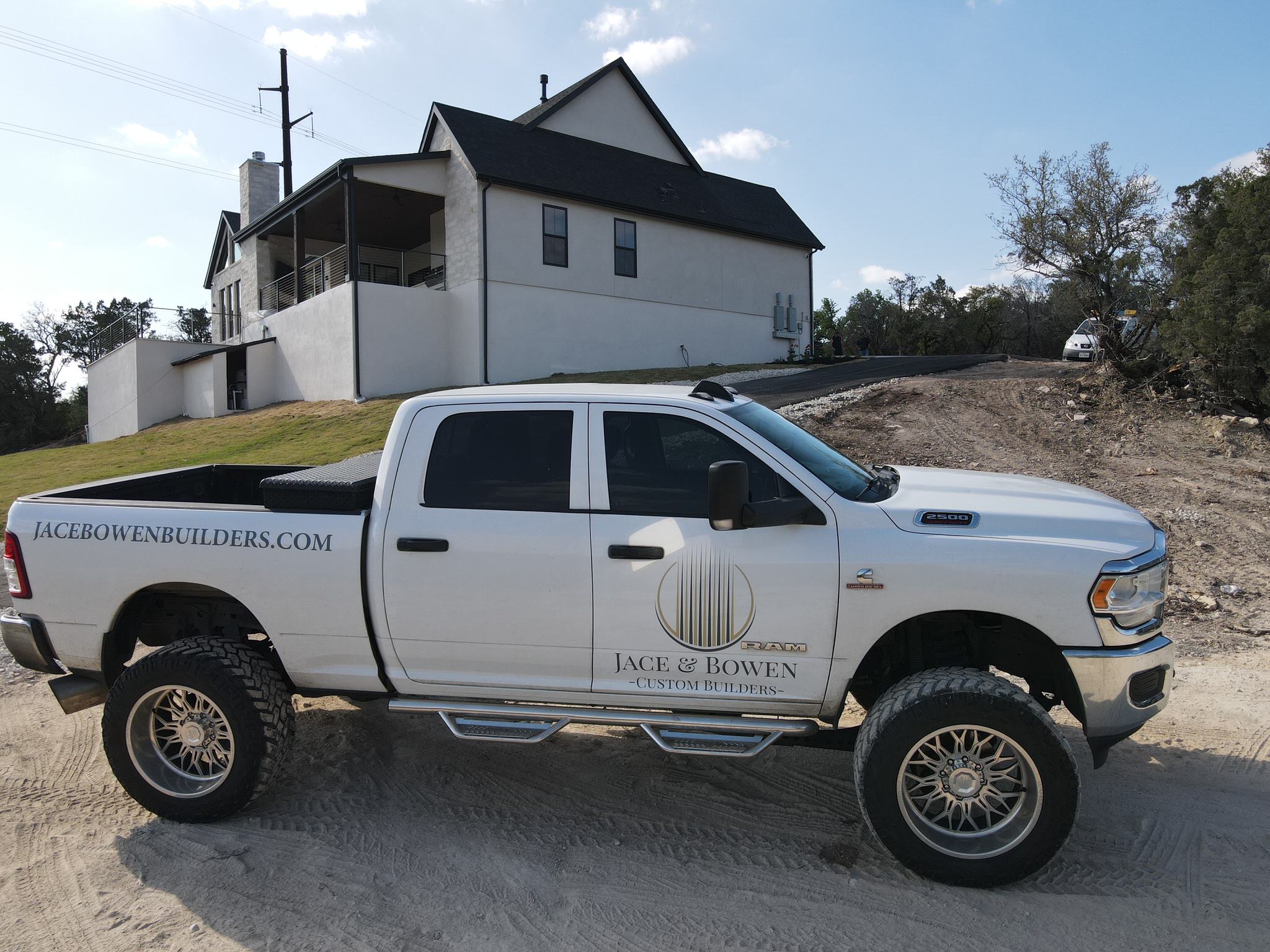
Here’s the good news: you don’t have to figure it out alone. Alec and Michael, the owners of Jace & Bowen Custom Builders, will sit down with you, walk through your budget and your wish list, and give you a straight answer on whether building custom is the right move. We build custom homes in Lampasas, Burnet, Liberty Hill, Florence, Marble Falls, Lakeway, and all across Central Texas.
If you’re even thinking about building in the Texas Hill Country, start a conversation with us today. Tell us about the home you have in mind, and we’ll tell you exactly what it takes to make it real!
TL/DR FAQ
Is it cheaper to build a custom home or buy a house? Buying a pre-built home is usually cheaper upfront. A custom home costs more at the start because of land, design, and construction, but it can save money long-term through energy efficiency, lower maintenance, and strong resale value.
How much does it cost to build a custom home? It varies by size, materials, and location, so the smartest first step is a realistic budget that covers land, design fees, construction, and a contingency fund for surprises. Builders should give you transparent pricing before you commit.
How long does it take to build a custom home? Most custom homes take several months to over a year, depending on the design, size, weather, and material and labor availability.
Is building a custom home worth it? It’s worth it if you want a home designed around you, you have a clear vision, and you can handle a higher upfront cost and a longer timeline. If speed and a tight budget matter most, a pre-built home may suit you better.
What’s the difference between a custom builder and a production builder? A true custom builder is usually a smaller company that builds around your individual needs with more flexibility. A production builder follows a set playbook with fewer choices.


